
期货和税(期货有税吗)
Introduction: Understanding Futures and Taxes
Futures trading is a popular financial method involving the exchange of assets at a predetermined price on a future date. Taxes, on the other hand, play a crucial role in determining the profitability of futures trading. In this comprehensive article, we will delve into the intricate relationship between futures and taxes, exploring how taxation impacts futures trading and strategies to navigate the tax implications effectively.
The Dynamics of Futures and Taxes
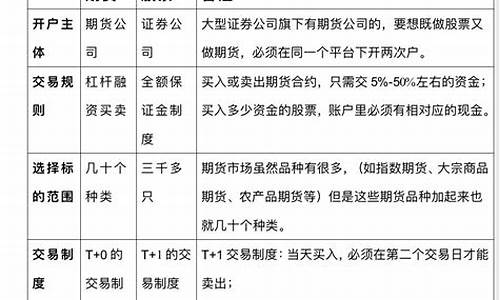
Futures trading involves speculating on the future price movements of assets like commodities or financial instruments. When traders engage in futures contracts, they are obligated to pay taxes on their gains. The tax treatment of futures varies based on factors such as the type of asset being traded, holding period, and the trader's tax status. Understanding the tax implications of futures trading is essential for maximizing returns and staying compliant with tax laws.
Managing Tax Liabilities in Futures Trading
One key strategy for managing tax liabilities in futures trading is tax-loss harvesting. By strategically selling losing positions to offset gains, traders can reduce their overall tax burden. Additionally, utilizing tax-advantaged accounts like Individual Retirement Accounts (IRAs) for futures trading can lead to significant tax benefits. It's crucial for futures traders to work closely with tax professionals to develop tax-efficient trading strategies and ensure compliance with tax regulations.
Conclusion: Navigating the Intersection of Futures and Taxes
In conclusion, futures trading and taxes are intricately linked, and understanding the tax implications is vital for successful trading. By incorporating tax-efficient strategies and staying informed about tax regulations, traders can optimize their profits and minimize tax obligations. Remember, seeking advice from tax experts and staying proactive in managing tax liabilities are key pillars of a successful futures trading strategy.


